whispers in the corridors
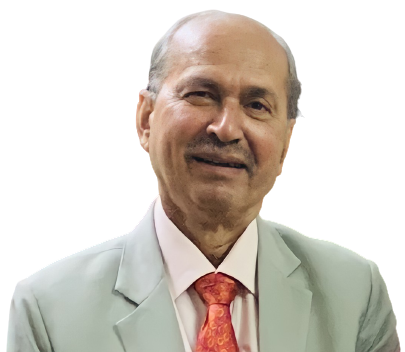









In the tribal district of Mohla-Manpur-Ambagarh Chowki, a structured and outcome-oriented intervention is transforming the fight against child malnutrition. Led by IAS Tulika Prajapati ,a 2016 batch officer of Chhattisgarh cadre and current district Collector has introduced the Augmented Take-Home Ration (ATHR) initiative an innovative step towards tackling Severe Acute Malnutrition (SAM) through “Identify-Treat-Sustain” approach.
The strategy begins with systematic identification of malnourished children through field-level screenings and digital platforms. Once identified, children are provided with ATHR, a nutrient-dense, palatable and easy-to-consume supplementary food meticulously designed. Unlike conventional Take-Home Ration (THR), which has some limitations for SAM and MAM ( Moderate Acute Malnutrition) children like being less nutrient-dense, sometimes not very appealing in taste and requires children to eat larger quantities creating difficulty for those with low appetite and affecting how much nutrition children actually receive.

Further this effort is sustained through continuous monitoring, counselling and community engagement. This ensures that nutrition is not only delivered but effectively absorbed, leading to measurable health improvements.
This targeted intervention responds directly to the district’s unique challenges- high tribal population, limited dietary diversity and a significant prevalence of maternal anemia. Additionally difficult geographical access, along with behavioural factors such as low awareness, delayed health-seeking practices and gaps in child care further complicate nutrition outcomes. These factors necessitated a localized, adaptive and intensive intervention rather than a uniform model.
Under Prajapati’s leadership the results have been significant. The recovery rate in children has risen to 84% while weight gain trends show strong early improvement and sustained progress. Importantly, consumption compliance has improved to over 90%, indicating better acceptance and effectiveness. These outcomes indicate a shift from mere food distribution to measurable nutritional impact.
The initiative is strengthened through technical collaboration with UNICEF Chhattisgarh and AIIMS Raipur, with financial and operational support from ABIS Group. Additionally convergence between the Women & Child Development Department, Health Department and community institutions has strengthened implementation and monitoring mechanisms on the ground.
Looking ahead, the district has a clear and scalable plan, including integration of ATHR into government systems, expansion to MAM children and other vulnerable groups, promotion of local production through Self-Help Groups and strengthening of supply chains and digital monitoring systems. This initiative represents a shift from food distribution to nutrition outcome-based governance with strong potential for replication at state and national levels.
The ATHR initiative is not merely a supplementary program but a strategic intervention addressing critical gaps in malnutrition management, ensuring improved recovery,better growth outcomes and long-term sustainability.
Send Feedback
- Five IAS officers get new assignments in UP (UPDATED)
- Tenure of Bishnu Charan Mallick as Director, Census, Rajasthan extended (UPDATED)
- Santanu Kumar Agrahari appointed as Director, NPPA (UPDATED)
- Rahul Pachori appointed as OSD to Jayant Chaudhary (UPDATED)
- Niraj Kumar Gayagi appointed as Joint Secretary, 8th CPC (UPDATED)
- Amit Satija appointed as Joint Secretary 8th CPC (UPDATED)
- Anil Kumar is also CMD, NDFDC (UPDATED)
- Vijyendra Kumar appointed as Joint Director, CBI (UPDATED)
- Tenure of Ms Lily Pandeya as Joint Secretary, Culture extended (UPDATED)
- Cabinet approves Investment Proposal for the construction of 1200 MW Kalai-II Hydro Electric Project (UPDATED)
- Ms Prachi Gangwar empanelled as Joint Secretary in GoI (UPDATED)
- Ms Deepa D Nair empanelled as Joint Secretary in GoI (UPDATED)
- H Raja Mohan empanelled as Joint Secretary in GoI (UPDATED)
- S Kulandivel empanelled as Joint Secretary in GoI (UPDATED)
- G Rajesh Kumar empanelled as Joint Secretary in GoI (UPDATED)
- S Senthil Kumar empanelled as Joint Secretary in GoI (UPDATED)
- G Muthuraja empanelled as Joint Secretary in GoI (UPDATED)
- S Gopal Krishna empanelled as Joint Secretary in GoI (UPDATED)
- D K Choudhary empanelled as Joint Secretary in GoI (UPDATED)
- Rajesh Prabhakar Patil empanelled as Joint Secretary in GoI (UPDATED)
- Gaurav Goyal empanelled as Joint Secretary in GoI (UPDATED)
- V Shanmugam empanelled as Joint Secretary in GoI (UPDATED)
- Hrishikesh B Yashod empanelled as Joint Secretary in GoI (UPDATED)
- Rohan Chand Thakur empanelled as Joint Secretary in GoI (UPDATED)
- Rathod Sandeep Rewaji empanelled as Joint Secretary in GoI (UPDATED)
- Priyanka Das empanelled as Joint Secretary in GoI (UPDATED)
- N Venkatesh empanelled as Joint Secretary in GoI (UPDATED)
- Gauri Parashar empanelled as Joint Secretary in GoI (UPDATED)
- A Muthu Kumar empanelled as Joint Secretary in GoI (UPDATED)
- Sumit Kumar Jarangal empanelled as Joint Secretary in GoI (UPDATED)
- S Tejaswi Naik empanelled as Joint Secretary in GoI (UPDATED)
- Saumya Agarwal empanelled as Joint Secretary in GoI (UPDATED)
- Kajal empanelled as Joint Secretary in GoI (UPDATED)
- Tenure of Dr Ajit Kumar Mohanty as Secretary, Atomic Energy extended (UPDATED)
- Vishvajit Sahay appointed as Secretary, Defence Finance (UPDATED)
- Sanjiv Shankar gets proforma promotion to CCIT grade (UPDATED)
- Ms Bhuvaneshwari appointed as Deputy Secretary, Coal (UPDATED)
- Four IRS-IT officers get postings after returning from deputation (UPDATED)
- Ms Umme Fardina Adil appointed as Deputy Secretary, Economic Affairs (UPDATED)
- Dr Sandeep Mittal appointed as DG, Armed Police & Vigilance, Anti-Corruption in Tamil Nadu (UPDATED)
- M Sai Kumar is new Chief Secretary, Tamil Nadu (UPDATED)
- Vibhu Goel appointed Additional CEO, West Bengal
- Six IAS officers in Haryana appointed as Assistant Commissioners
- Babul Barman posted as ADRM, Kharagpur
- Ms Shilpi Agarwal is also PFA (Con.), Northern Railway
- Mahesh Kumar posted as CWE, SER
- M Muni Kumar posted as ED/TD/COE, RDSO
- Mallela Srikant posted as Joint Director, Infra. & PPP, Railway Board
- World Bank is seeking Project Manager- HQ Real Estate Projects, US
- World Bank is seeking E T Consultant for South Sudan
- Rajeev Kumar accredited as High Commissioner to Solomon Islands
- IRCTC invites applications for Group General Manager, Corporate Office
- Applications to attend Core pre-deployment Training Materials course at Malaysian Peacekeeping Centre invited
- Candidates for 11 Asstt Dir, Chemical, MSME posts shortlisted
- NHSRC to fill Finance Controller, NHM post
- Applications for Addl Director of Enforcement Directorate post invited
- Punati Sridhar empanelled for appointment as IEM
- P C Pankaj has been empanelled for appointment as IEM
- A R Sihag & S Srivastava empanelled for appointment as IEMs
- M M Bhatia & M PJohnson empanelled for appointment as IEMs
- India Africa Forum Summit from May 28-31
- Indigenous 1,000-kg Heavy Bomb Project for IAF
- Ministry of Defence Signed Rs ,950 cr Contract With BEL
- Government Unlikely to Impose Curb on Sugar Exports
- PESB yet to hold interviews for CMD, Troop Comforts Ltd
- Dr Ranjay Choudhary selected as Director, IRFC
- Ms Rashmi joins the department of expenditure
- IRS officer to join Ministry of DoNER
- Centre Likely to Seek Revised Bids for IDBI Bank’s Strategic Sale
- RBI MPC Likely to Stay the Course as Growth Holds Firm; Geopolitical Risks Cloud the Outlook
- ED facing acute shortage of senior officers
- PMO and NITI Aayog Scouting Next Gen Leadership from Bureaucracy and Technocrats?
- Will Navy Chief be new CDS ?